By: Olasehinde Oluwadamilola
Awareness is essentially about creating opportunities for people to learn about specific issues, and this is one of the core commitments of the Foundation for Neuromuscular Support, Nigeria (FNSN). Through our Massive Awareness on Rare Diseases (MARD) Campaign, we aim to bring attention to rare conditions and create an environment where people are informed, compassionate, and better equipped to respond.
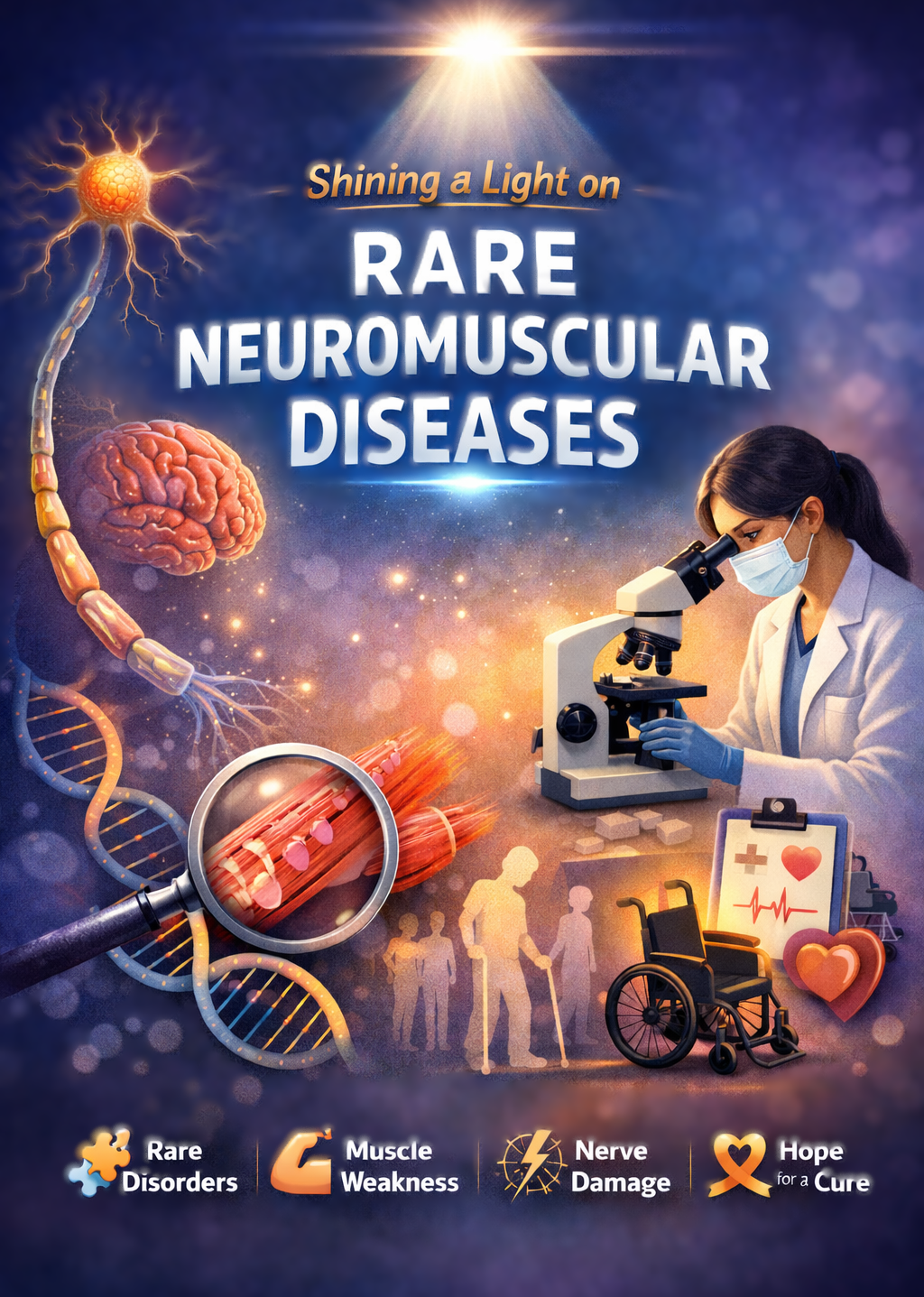
While rare diseases can affect various parts of the body, such as the skin, heart, and blood, FNSN places particular emphasis on conditions that affect the neuromuscular system. This vital system controls both voluntary and involuntary movements, enabling us to walk, breathe, and maintain posture. Raising awareness about these conditions is essential to ensuring early detection and timely care.
Understanding rare diseases is the first step towards meaningful change. These are medical conditions that affect only a small segment of the population. They are often chronic and, in many cases, life-threatening. Research shows that one out of every ten people lives with a rare disease, and over seven thousand different types have been identified globally. Their rarity does not diminish their significance; rather, it highlights the need to acknowledge and address them. While there is no single cause of rare diseases, studies indicate that about eighty percent are genetic, while others may arise from unusual infections or uncommon allergic reactions.
Why focus on rare diseases?
At FNSN, our focus on rare neuromuscular diseases stems from a belief that knowledge inspires action. Many of these conditions begin to show signs in early childhood. Early diagnosis can lead to prompt medical interventions and therapies, giving children the opportunity to lead healthier and more manageable lives. Unfortunately, in many rural or less-educated communities, rare conditions are often misunderstood. Some people attribute these illnesses to spiritual causes, believing that the child or family is under a curse. As a result, families may turn to traditional healers or perform rituals instead of seeking medical care. This delay in receiving appropriate treatment often leads to complications that could have been prevented with early intervention.
However, individuals living with rare diseases face significant challenges even after diagnosis. Due to the uncommon nature of these conditions, many healthcare professionals may lack sufficient knowledge to provide accurate and timely diagnoses. This often results in delayed treatment, worsening the patient’s condition. Beyond medical hurdles, social stigma and exclusion are also major challenges. Some people avoid those affected out of fear or ignorance, assuming the illness is contagious or doubting the person’s ability to integrate into society. This social rejection adds emotional pain to physical suffering, placing a heavy psychological burden on affected individuals and their families. In some cases, the emotional toll can lead to depression or even suicide, especially when families also struggle with the financial costs of long-term care.
Currently, about ninety-five percent of rare diseases lack approved treatments, meaning that cures remain elusive for most conditions. However, early detection and ongoing management can make a significant difference. With the right kind of care, therapy, and emotional support, individuals living with neuromuscular diseases can still enjoy meaningful and fulfilling lives.
As a community, we all have a role to play in supporting people with rare diseases. Showing empathy and respect can transform lives, making individuals feel valued and understood. By choosing compassion over judgment and inclusion over stigma, we create a society where every person regardless of their condition, is recognized, supported, and allowed to thrive.

Leave a Reply