By: Jagun Quareeb Alabi
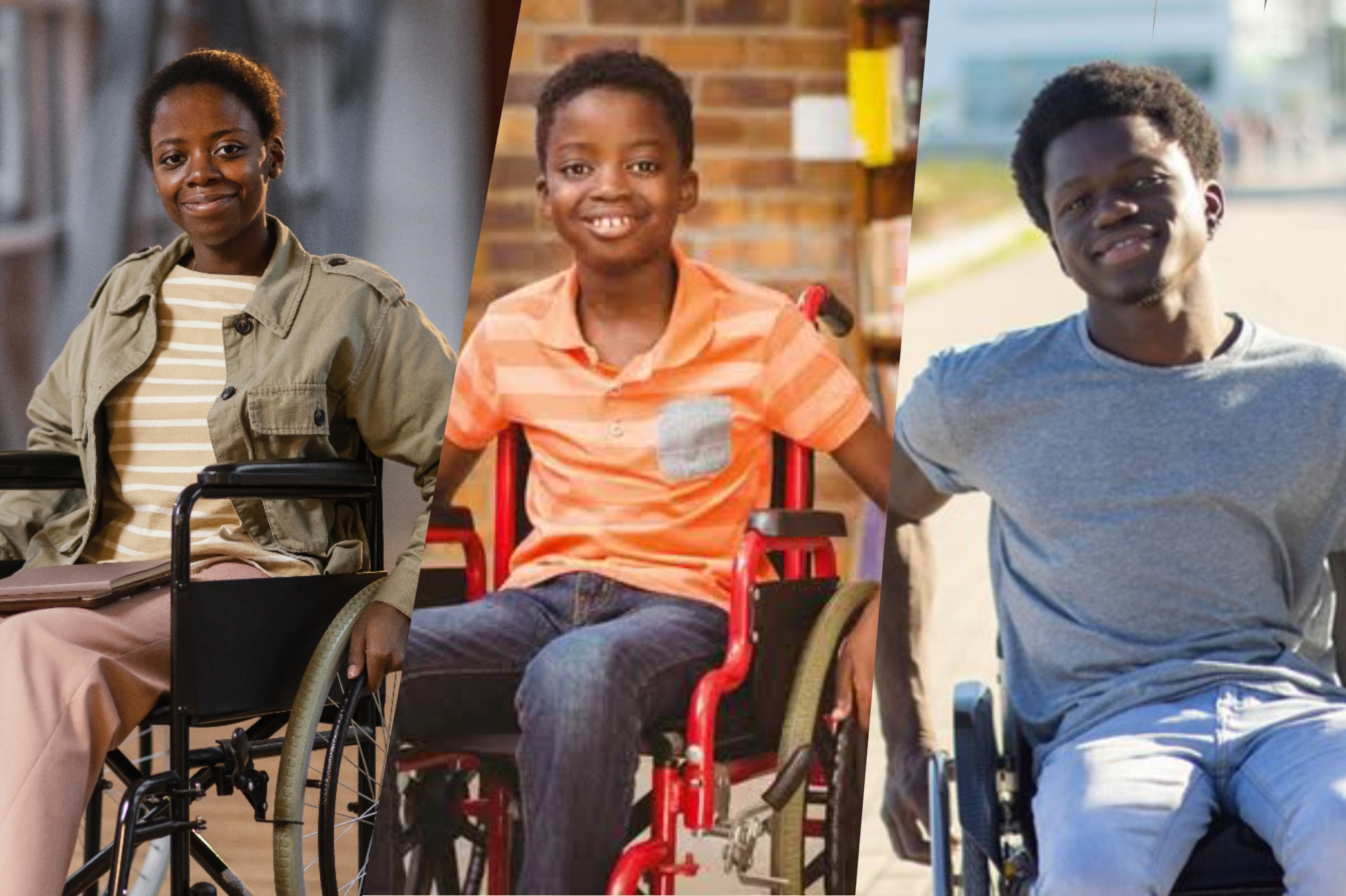
Many Nigerians suffer silently from neuromuscular conditions such as muscular dystrophy. A child who falls more often than others may be the first to experience it, or have tired legs that give out too quickly, or small hands that can’t hold a pencil firmly. Wheelchairs will be necessary for some children, while others will need help breathing, eating, or sitting up straight. Like everyday life, the body gradually changes.
However, the sickness itself is not the most challenging aspect for the majority of families. It’s the isolation. It is the quiet that results from neighbours ceasing to visit. When people don’t understand, they stare at you. the feeling that as the world moves forward, you have been left behind.
A Story of Strength
Oluchi Sonia Okwenna knows this feeling. Growing up with muscular dystrophy in Nigeria, she shared how even simple tasks like dressing herself became difficult. People frequently misinterpreted her condition, and inclusion was not always guaranteed.
There were times when she felt invisible. However, Oluchi’s story did not end there. She found courage thanks to her family’s unwavering love and the support of those who chose to see her beyond her condition. She discovered her voice, she learned that her worth was not measured by muscle strength.
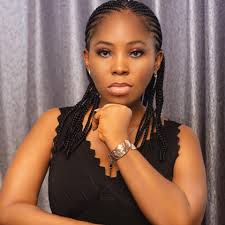
Oluchi is now a writer and a digital strategist. Her life quietly powerful reminder that being disabled does not equate to being incapable.
The Small Things That Heal
Many families living with neuromuscular disorders don’t ask for much. Sometimes help appears to be very simple. It is visiting a family and spending time with them. It’s playing with a child who is frequently left out. It greets them warmly in the morning rather than turning away. Presence can heal in ways that medicine cannot. Words are important too.
Saying “You matter” or “You are not forgotten” can help tired parents get through the day. Encouragement reminds them that they are not on this journey alone.
Speaking the Truth
In many communities, weak muscles are still interpreted as a curse or spiritual punishment. This belief causes severe harm. Neuromuscular disorders are considered medical conditions. They do not result from sin, witchcraft, or failure.
Speaking the truth removes shame. When you educate others, you provide a safe environment for children who deserve to understand rather than be afraid.
Why It Matters
When you smile at a child in a wheelchair, you are saying, “I see you.” When schools include children with disabilities in lessons and activities, those children begin to believe that their dreams are valid and possible.
When communities choose kindness, lives start to change. True strength is found not only in the physical body but also in compassion, unity, and the simple decision to care for one another.
Oluchi’s story serves as a reminder of what is possible when support replaces silence.
Together, we can give hope to those who feel helpless, and we can ensure that no one falls behind.
Because support, healing, and growth do more than change lives, they restore dignity, rebuild courage, and renew hope.
Leave a Reply