
By: Jagun Quareeb Alabi
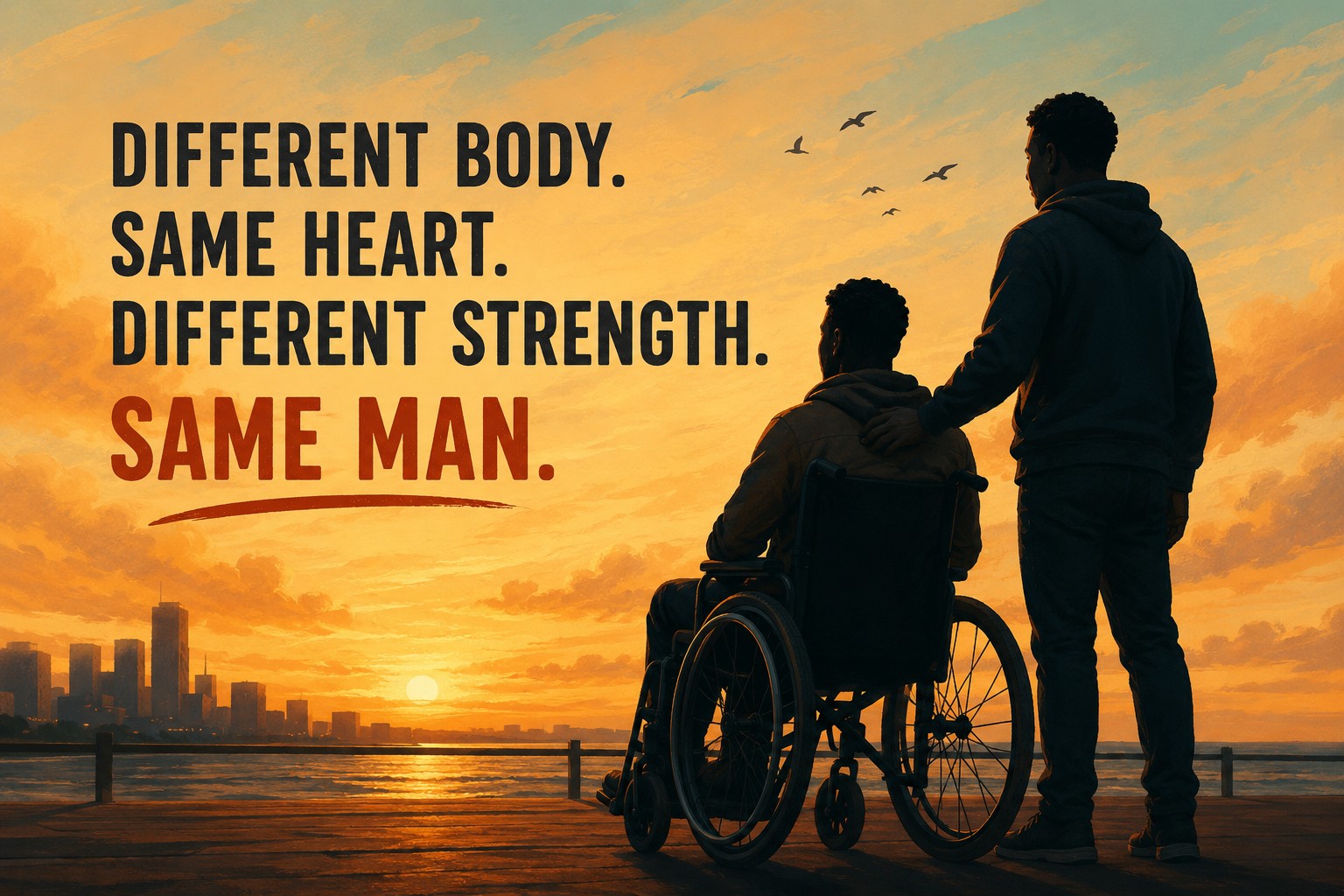
In many African homes, a “real man” is seen as strong, able to carry heavy loads, build houses, provide for the family, protect the women, and most importantly, he never cries.
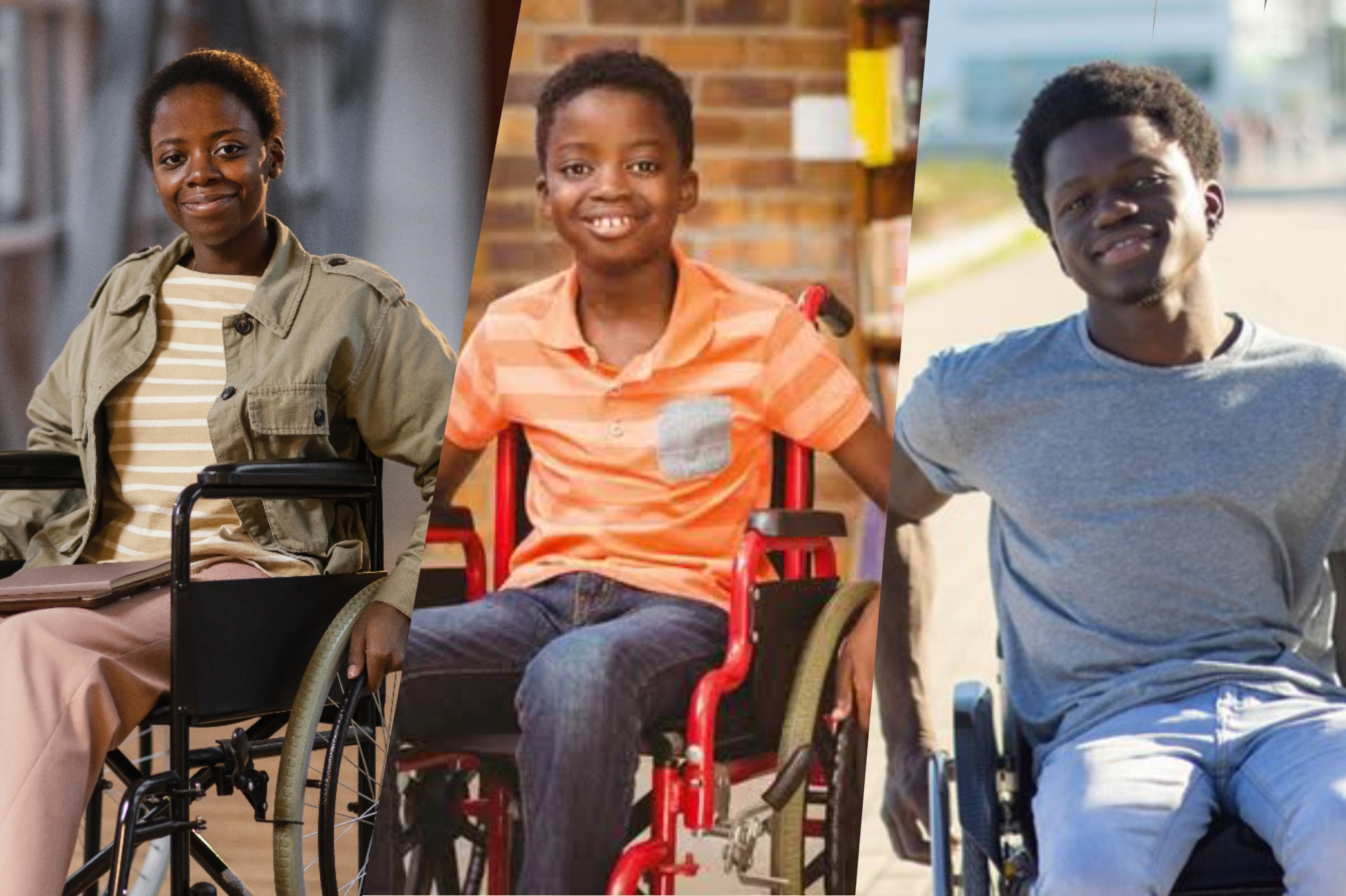
But what happens when you are a brother, boyfriend, or husband to someone with MD, and you cannot “fix” their body? Or when the man with MD himself cannot do all the physical things expected of men?
This post is for both of them.
Muscles are not the only kind of strength
Let’s settle this once and for all: physical strength is valuable, but it is not the only measure of manhood.
Think about how strong you have to be to wake up every day knowing your body is against you and still smile. Imagine the patience it takes to allow someone to help you with things you used to do yourself. Imagine the courage it takes to go outside knowing you’re going to be stared at.
“His body may be weak. But his courage is strong.”
Being present, paying attention, and showing up are all important aspects of emotional strength. It matters to have moral strength to stand up for what is right when it would be easier to remain silent. Mental toughness is important for learning, organising, and solving problems. Perfect muscles are not necessary for any of these.
For the Brothers and Partners Standing Beside Someone With MD
You might see your brother struggling up a flight of stairs, and something inside you breaks quietly. You want to take him. You want to fix that. You want it to go away. But true love does not hide. It stands there for them.
Instead of saying, “He is less of a man because of this,” you can say, “His condition is in his body, but his courage is bigger than his diagnosis.
That change in thinking changes everything for him and for you.
Allow Space for Vulnerability
Men are told from childhood to man up and shut up. To keep it going. But living with a progressive condition such as muscular dystrophy is a heavy thing. It is okay for your brother, friend, or partner to feel scared. To be angry. To be sad.
One of the most powerful things you can do is to sit with him in that sadness without trying to fix it; just be there. Let him weep without shame. That’s a good way to show brotherhood at its best.
Redefining What It Means to Protect
You may not be able to prevent your loved one from MD itself. But you can save so many other things.
- You can guard his dignity by not letting people talk about him like he’s not there.
- You can guard his joy by making him laugh on the hard days.
- You can guard his voice by asking his opinion, not making decisions for him.
- You can guard his access by fighting for ramps, for space, for inclusion.
A New Image of Manhood
Imagine a man who can not run but will sit with you for hours. Who can’t lift bricks but can lift your spirits when all feels heavy. Who cannot fight with his fists but will speak up for your rights in any room.
That man’s not weak. He’s a different kind of strong.
And that is the kind of strength that families living with MD need to see, celebrate, and call by its real name.

If you or your family are living with muscular dystrophy or another neuromuscular condition in Nigeria and need information or support, FNSN can help. Visit our Contact page to reach us.



Leave a Reply