

By: Jagun Quareeb Alabi
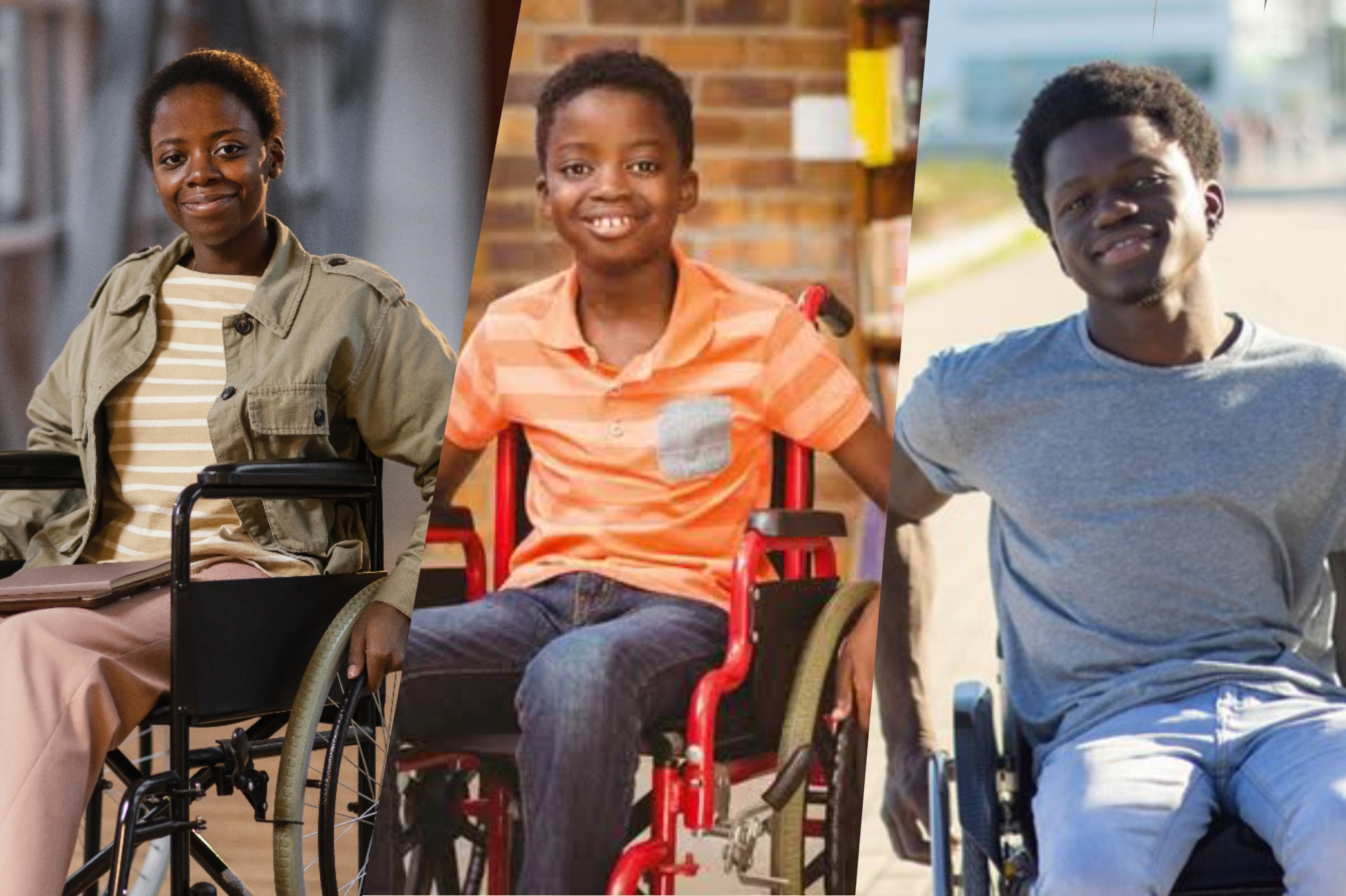
If you walk with a sibling or friend with MD, you already know the look. The one that starts at your sibling’s wheelchair and slowly travels up. The one that says, “Oh, so sorry” before a single word is spoken. Or the well-meaning stranger who rushes over without asking, grabbing the wheelchair handles as if your sibling were a trolley that needs pushing.
And then there’s the aunty. The one who leans in and whispers, “Have you tried this pastor in Ibadan? He healed my neighbour’s cousin’s friend.”
If you recognise any of this, you are not imagining things. The “pity gaze” is real. And sometimes, it hurts more than the condition itself.

You are not a movie to watch.
When people stare, it can feel like you and your sibling are on display, like strangers are watching a story they didn’t pay to see. But let’s be clear about something: your life is not entertainment. Your sibling is not a lesson for others. They are a full, complete human being with favourite foods, bad jokes, dreams, and opinions about the best way to cook jollof rice.
Nobody should reduce them or you to a moment of pity.
“Your sibling is not a lesson for others. They are a whole person.”
Short, Strong Answers Save Your Energy
You don’t owe the world your full story. When someone asks, out of curiosity or plain rudeness, “What happened to him?” you can say:
“He has a neuromuscular condition. He’s doing well, thank you.”
That’s it. If they push further, you can add: “We prefer not to discuss it right now.” Smile, and walk on.
You are not being rude. You are protecting your peace. And peace is precious.
Pity is not the same as love.
Some people believe they are being kind when they pity someone. But real kindness looks different. Real kindness asks before it helps. It respects boundaries. It says, “How can I support you?” instead of “Chai, such a pity.”
When someone speaks as if your sibling’s life is finished because of a diagnosis, you can gently correct them: “He is living with a condition, but he still has a full life.”
That one sentence can change how a person sees disability forever.
Protect your Heart after hard outings
You cannot control every stare, but you can control how much it affects you. After a difficult outing, give yourself and your sibling room to breathe. Talk about what happened. Make a joke about the worst starer of the day. Sometimes laughter is the best way to shake it off.
What you don’t want to do is bottle it up. The weight of other people’s ignorance is not yours to carry alone.
Turning Pity into Power
Every time you respond with calm strength, you are slowly teaching your community a new way to see disability. You may never know how many people changed their thinking because of how you carried yourself.
Your dignity is a quiet kind of power. Use it.
You are not alone in this. At FNSN, we walk this road with warriors and their families, every step of the way.
Visit our Contact page to reach us or join our community





Leave a Reply